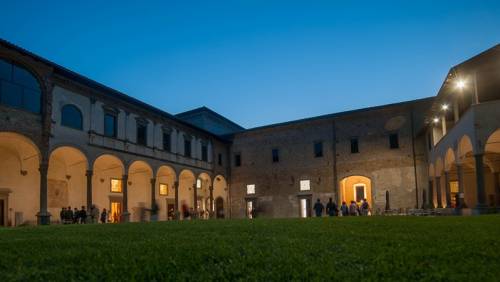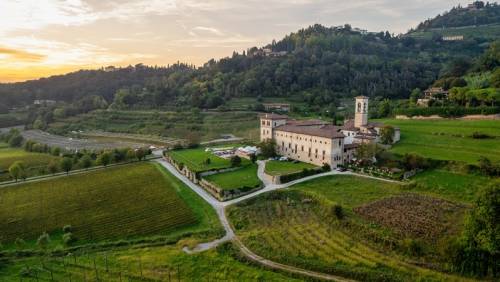
The monastery of Astino was originally built in the Lombard Romanesque style, characterized by simple volumes, plain masonry, and carefully measured openings, but it was reorganized during the Renaissance, giving greater importance to the functionality of its spaces.
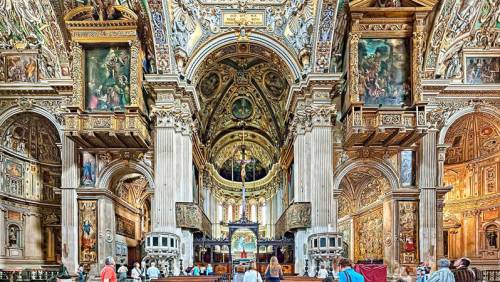
The current complex is laid out around the Church of the Holy Sepulchre, with a linear floor plan and a transept forming a T-shaped cross.
Around the church are clustered the monastery buildings: the cloister, the chapter house where the monks held their meetings, the dormitory, the refectory used for communal meals, and, further out, the service areas such as kitchens, cellars, granaries, and rural structures connected to the vegetable gardens and terraced fields of the valley.
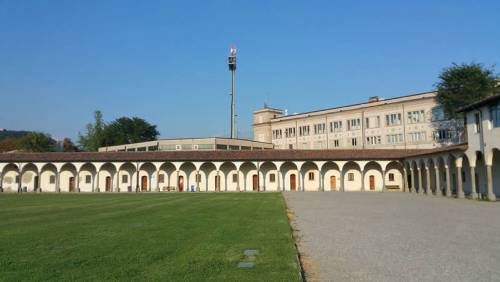
When you reach the cloister, you understand why the monks considered it the operational heart of the monastery: four covered galleries connected the oratory, refectory, dormitory, and chapter house — the room where the monastic community gathered every day to read a “chapter” of the Rule, address disciplinary and administrative matters, admit novices, elect or confirm the superior, and generally make communal decisions.
The refectory, spacious and well-proportioned to allow listening to readings during meals, preserves the memory of the large painting of the “Last Supper” by Alessandro Allori, created in 1582 as a visual reminder of the communal meaning of the meal.
The cellars and underground spaces, now often used for exhibitions and events, recall the agricultural vocation of the monastery: thanks to the natural coolness of the walls, this is where wine and food supplies — the result of work in the fields — were stored.
Visits are generally possible on weekends during the times indicated on-site, and groups may arrange guided tours when permitted. Since schedules and access rules may vary depending on cultural programming or liturgical celebrations, it’s always advisable to check the updates published by the MIA Foundation before setting out.
An interesting fact: there is also a female branch of the Vallombrosan monastic order: the Vallombrosan Benedictine nuns, established in 1266 by Saint Humility of Faenza. She was born Rosanna Negusanti, and upon taking her vows she took the name Humility; after her death, she was proclaimed a saint. Her order still exists today in small communities, for example in San Gimignano.
1 hour of use
Unlock Artificial Intelligence (AI) and enhance your experience
Do you want to explore even more or discover cities not yet covered by the app?
Activate our AI.
It will guide you with the same engaging tone, answering your curiosities in real-time.