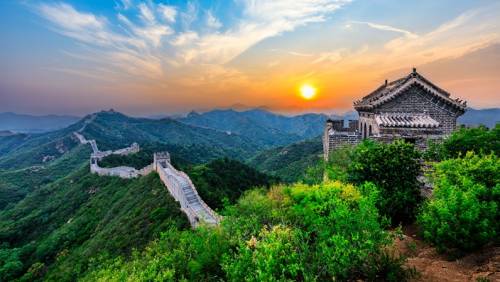
Beijing is one of the cities most deeply connected to the history of the Great Wall of China.
Its northern mountains, with their strategic passes and valleys, were for centuries the heart of the defensive system that protected the Chinese Empire.
During the Ming dynasty, Beijing was the command center from which orders were issued for the wall’s maintenance and defense. The city was filled with garrisons, armories, and supply depots.
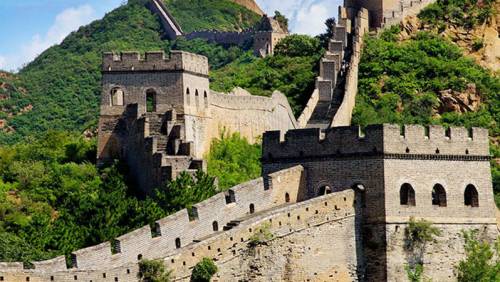
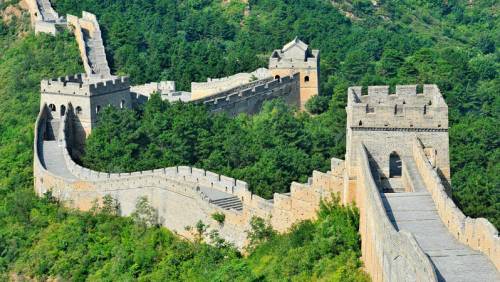
The stretch of the Wall surrounding the Beijing area formed a complex and well-organized system.
Watchtowers, built at regular intervals, allowed guards to monitor every movement coming from the north, while forts and barracks housed the soldiers who defended the most vulnerable passes.
During the day, smoke signals rose from the towers; at night, fires sent messages flashing across the landscape—all the way to the capital in remarkably little time.
But the Great Wall was far more than a military barrier.
It marked the boundary between two worlds: the civilized empire and the vast northern steppes inhabited by nomadic peoples.
For the Ming emperors, it was both a political and cultural symbol—a visible expression of China’s unity and strength.
It also served to regulate trade and protect the routes linking China with Central Asia.
Life for the guards stationed along the Wall was harsh: freezing winters, cutting winds, and long months of isolation.
Yet their presence brought safety and stability to the rural communities around Beijing and throughout northern China, allowing them to live and prosper in peace.
Curiosity: Thanks to the network of towers and smoke signals, ancient Chinese soldiers could send an alarm message from one point of the Wall to Beijing in less than two hours—a remarkable feat of communication for the time.
1 hour of use
Unlock Artificial Intelligence (AI) and enhance your experience
Do you want to explore even more or discover cities not yet covered by the app?
Activate our AI.
It will guide you with the same engaging tone, answering your curiosities in real-time.